

Introduction
Life is full of uncertainty. No matter how well you plan, unexpected situations can arise at any time. It could be a medical emergency, job loss, urgent home repair, or sudden travel. These situations often require immediate money, and if you are not prepared, they can create stress and financial problems. This is where an emergency fund becomes important. It acts as a financial safety net that protects you during difficult times.
Many people ignore the importance of having an emergency fund, especially when everything is going well. They believe they can manage when a problem comes. But in reality, without savings, people often depend on loans or credit cards, which can lead to debt. Building an emergency fund is one of the smartest financial decisions you can make.
What is an Emergency Fund
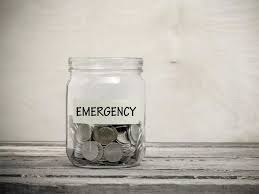
An emergency fund is money that you save specifically for unexpected situations. It is not meant for daily expenses, shopping, or entertainment. This money is kept aside only for real emergencies.
The main purpose of an emergency fund is to give you financial security. It ensures that you can handle sudden expenses without disturbing your regular budget or long-term savings. It also helps you avoid borrowing money during difficult times.
Think of it as a backup plan for your finances. You may not need it every day, but when you do, it becomes extremely valuable.
Why an Emergency Fund is Important
An emergency fund provides peace of mind. When you know you have money set aside for emergencies, you feel more confident and less stressed about unexpected situations.
It also protects your financial progress. Without an emergency fund, you might have to use your savings or investments, which can affect your long-term goals. In some cases, people even take high-interest loans, which creates additional financial pressure.
Having an emergency fund allows you to handle problems calmly. It gives you time to make better decisions instead of reacting in panic.
How Much Emergency Fund Do You Need
The amount you need depends on your lifestyle and expenses. A common rule is to save at least three to six months of your monthly expenses.
If your income is stable and secure, three months of expenses may be enough. However, if your income is irregular or you have more responsibilities, it is better to aim for six months or even more.
To calculate your emergency fund, start by adding your essential monthly expenses. This includes rent, food, utilities, transport, and basic needs. Multiply this amount by the number of months you want to cover.
For example, if your monthly expenses are ₹20,000, then a six-month emergency fund would be ₹1,20,000.
How to Start Building an Emergency Fund
Building an emergency fund may feel difficult at first, especially if you are starting from zero. But the key is to start small and stay consistent.
You do not need a large amount in the beginning. Even saving a small amount every month can make a difference. The important thing is to build the habit of saving.
Set a monthly savings target based on your income. Treat this as a priority, not an option. Over time, your fund will grow steadily.
Where to Keep Your Emergency Fund
Your emergency fund should be easily accessible. This means you should be able to withdraw the money quickly when needed.
At the same time, it should be kept separate from your regular spending account. This helps you avoid using it for non-emergency purposes.
You can keep your emergency fund in a savings account or a liquid fund. The focus should be on safety and accessibility, not high returns.
Common Mistakes to Avoid
One common mistake is using the emergency fund for non-emergencies. This defeats its purpose. You should use this money only for real and urgent situations.
Another mistake is not saving enough. Some people keep a very small amount and think it is enough. But during a serious emergency, this may not be sufficient.
Many people also delay building an emergency fund because they think they will start later. This delay can be risky. It is always better to start as early as possible.
Emergency Fund vs Savings
People often confuse an emergency fund with regular savings. While both involve saving money, their purpose is different.
Savings can be used for planned expenses like vacations, shopping, or buying a gadget. An emergency fund is only for unexpected situations.
Keeping these two separate helps you stay financially organized and prepared.
How Long Does It Take to Build an Emergency Fund
The time required depends on your income and savings capacity. If you save consistently, you can build a basic emergency fund within a few months.
For a larger fund, it may take one to two years. The key is not speed but consistency. Even slow progress is better than no progress.
Remember, building an emergency fund is not a one-time task. You should review and update it as your expenses increase.
Benefits of Having an Emergency Fund
An emergency fund reduces financial stress. It helps you stay calm during difficult situations.
It also gives you independence. You do not have to rely on others or take loans when you need money.
Most importantly, it protects your long-term financial goals. Your investments and savings remain safe because you are not forced to use them during emergencies.
Final Thoughts
An emergency fund is one of the most important parts of financial planning. It may not seem urgent when everything is going well, but it becomes essential when life takes an unexpected turn.
Start building your emergency fund today, even if it is with a small amount. Stay consistent and disciplined. Over time, this fund will grow and provide you with security and peace of mind.
In the journey of financial freedom, an emergency fund is your first line of defense. It keeps you protected, prepared, and confident for whatever comes next.

